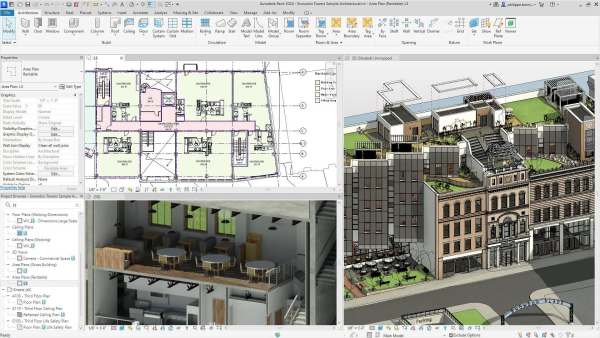

The question of who plays a more crucial role in designing a building—architects or engineers—is one of the most debated topics in construction. While both professionals are vital to the process, their contributions are distinct, each focusing on different aspects of the design and execution. Let’s break down the roles to better understand how they work together to bring buildings to life.
The Architect’s Role: Aesthetics and Functionality
Architects are responsible for the overall design of a building, blending creativity with practicality. Their job is to focus on the aesthetics and functionality of the space, considering everything from how a building looks to how it serves its users.
- Aesthetics: Architects design the visual appeal of a building, ensuring it harmonizes with its surroundings and reflects the client’s vision.
- Functionality: Beyond looks, architects focus on how the building functions. This includes factors like ergonomics (how people will use the space), climate (ensuring the building is suited to its environment), and constructability (making sure the design can be built efficiently).
- Integration: Architects also integrate various building systems, ensuring that the space not only looks good but also operates smoothly. They consider the placement of doors, windows, and circulation paths while ensuring that the building meets regulatory standards.
The Engineer’s Role: Structural Integrity and Systems
While architects shape the overall design, engineers handle the technical aspects that make the design a reality. There are different types of engineers involved in the process, each with a specialized focus.
- Structural Engineers: These engineers ensure that the building can withstand various forces, such as its own weight, environmental loads (like wind and earthquakes), and the occupants’ load. They design the building’s skeleton, calculating the size and placement of load-bearing members like beams, columns, and foundations.
- Mechanical, Electrical, and Plumbing (MEP) Engineers: MEP engineers are responsible for designing the building’s systems. Mechanical engineers plan heating, ventilation, and air conditioning (HVAC), while electrical engineers handle wiring and lighting, and plumbing engineers design water supply and waste systems.
The Architect as the Project Leader
Although engineers contribute vital technical expertise, the architect typically leads the overall design process. Once engineers provide their inputs, the architect ensures that all systems work together harmoniously. If modifications are needed for structural, mechanical, or electrical reasons, the architect adjusts the design accordingly, maintaining the balance between aesthetics and functionality.

-Architects vs Engineers
Conclusion:
A Collaborative Effort that's very much needed to make a sustainable, compatible building design.
Follow us on Facebook for more insights on architecture and design. Ready to start your project? Make an Appointment with our team today!